The Key Phases of Lighting Design
Lighting design is far more than just selecting fixtures or randomly placing lights in a space. It integrates technical expertise, aesthetic sensibilities, and architectural understanding, making it a professional and systematic process. A high-quality lighting solution can significantly enhance a space’s functionality, ambiance, and visual appeal. This article outlines four key steps in lighting design, serving as a reference for every lighting designer.
Step 1: Design Definition — Clarify the Design Vision
The first step in lighting design is to define clear objectives, which mainly include the following aspects:
Integration with the Design Concept
Lighting design must align with the architectural and interior design. The lighting atmosphere should correspond to the intended function of the space—for example, a living room should feel warm and inviting, while an office should convey efficiency and professionalism.
Architectural Constraints
Lighting design must account for practical architectural conditions such as structural layout, ceiling height, window placement, and wiring routes. These factors influence fixture selection and installation methods.
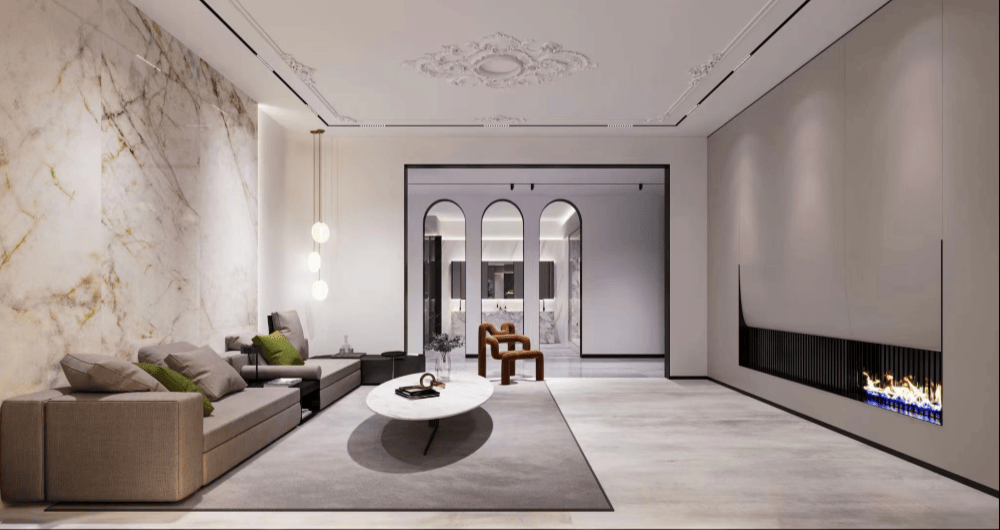
(Living Room Lighting Example)
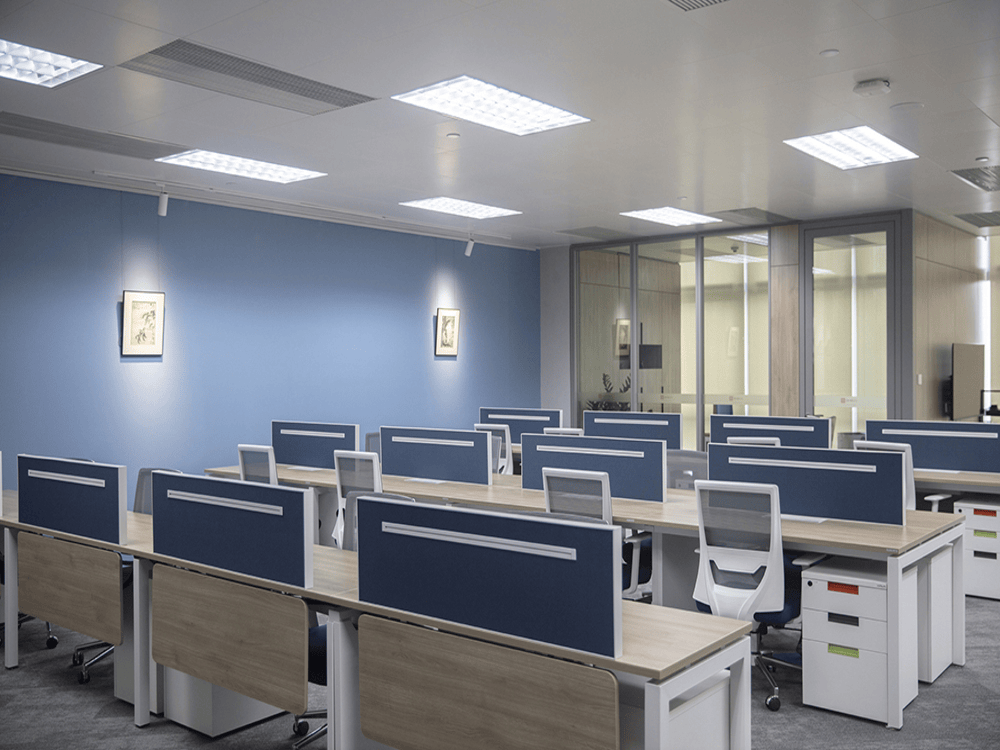
(Office Lighting Example)
Step 2: Layered Lighting — Creating a Multi-Dimensional Lighting Environment
Lighting design is not about maximizing brightness or evenly illuminating every corner. Outstanding lighting schemes often employ Layered Lighting, which divides lighting into different levels based on visual needs, enhancing depth and flexibility in the space. The five common layers include:
1. Accent Lighting: Highlights walls, objects, architectural details, or artworks.
2. Task Lighting: Provides direct light for specific activities such as writing, reading, or cooking.
3. Daylighting: Utilizes natural light to save energy and enhance realism and psychological comfort.
4. Decorative Lighting: Fixtures such as chandeliers, wall lamps, or custom lights act as visual "jewelry," enhancing beauty and attracting attention.
5. Ambient Lighting: Provides general illumination for the space.
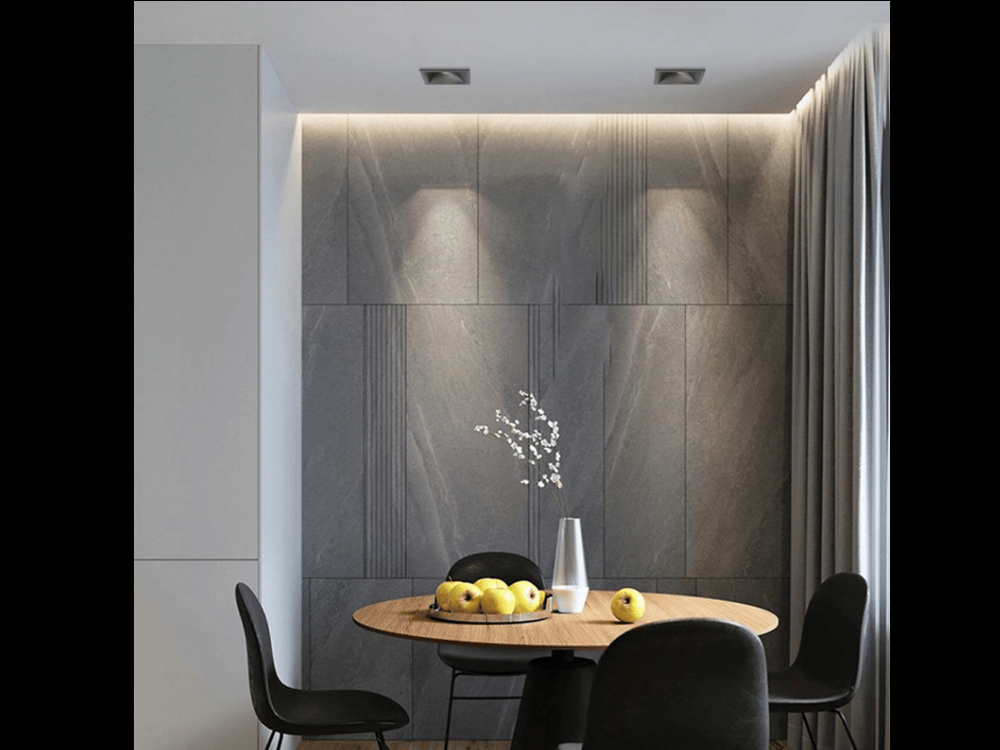
(Accent Lighting Example)
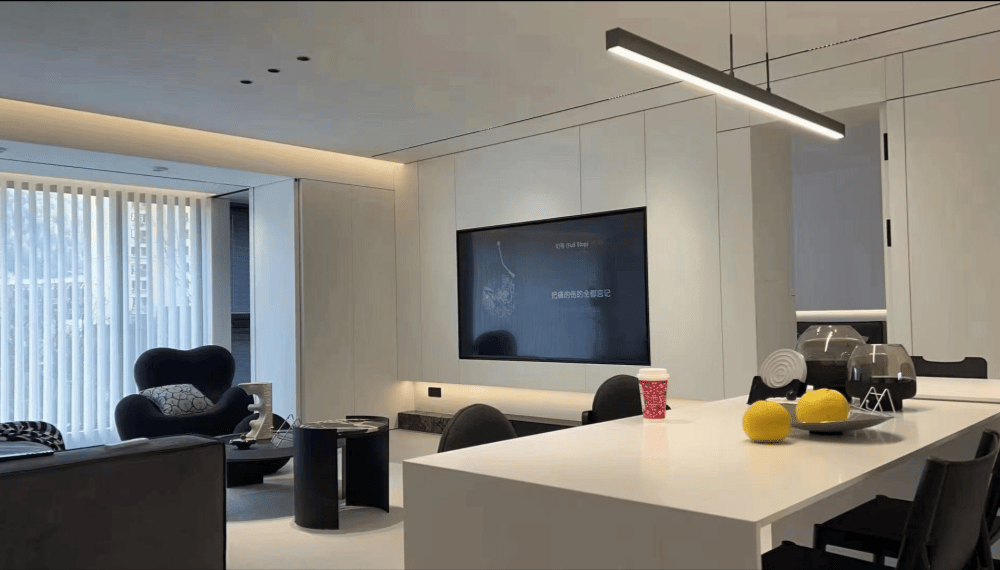
(Task Lighting Example)
Step 3: Fixture Selection — Choosing the Right Light Sources and Fixtures
Light Source Selection
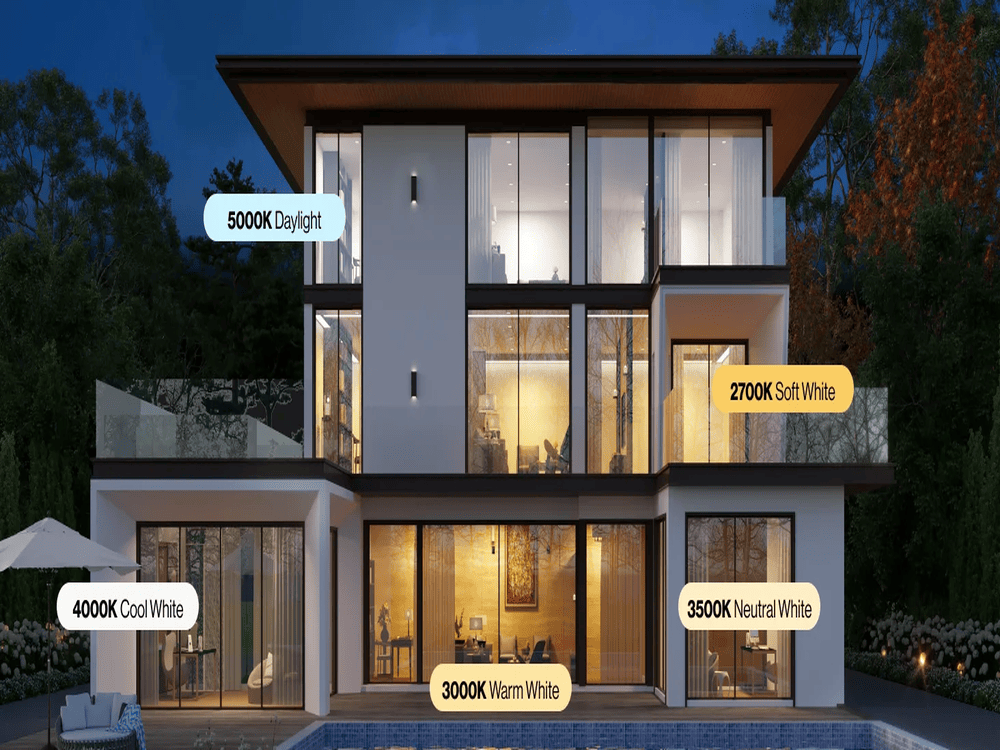
Factors to consider include color temperature, Color Rendering Index (CRI), beam angle, energy efficiency, and lifespan.
Fixture Selection
The appearance, light distribution, and adjustability of fixtures must meet both functional and aesthetic needs of the space. Installation conditions such as ceiling type and power wiring must also be taken into account.
Step 4: Coordination and Integration — Implementation and System Integration
Fixture Layout and Illuminance Calculation
Calculate the required illuminance based on the space’s function and arrange the appropriate number and spacing of fixtures accordingly.
Control System Planning
Design suitable switching or smart control systems based on usage habits and movement patterns. Options include sensors, timers, and dimmers to improve energy efficiency and user convenience.
Compliance with Regulations and Standards
The lighting plan must adhere to electrical safety regulations, energy efficiency standards, and accessibility requirements.
Conclusion
Understanding the main steps of lighting design—from defining the vision and establishing layered lighting to selecting fixtures and integrating systems—is essential for achieving the desired spatial effect. Choosing a professional and reliable LED lighting manufacturer is key to ensuring the successful implementation of the design.