How to Arrange the Lighting in Your Bedroom: A Human-Centric Guide
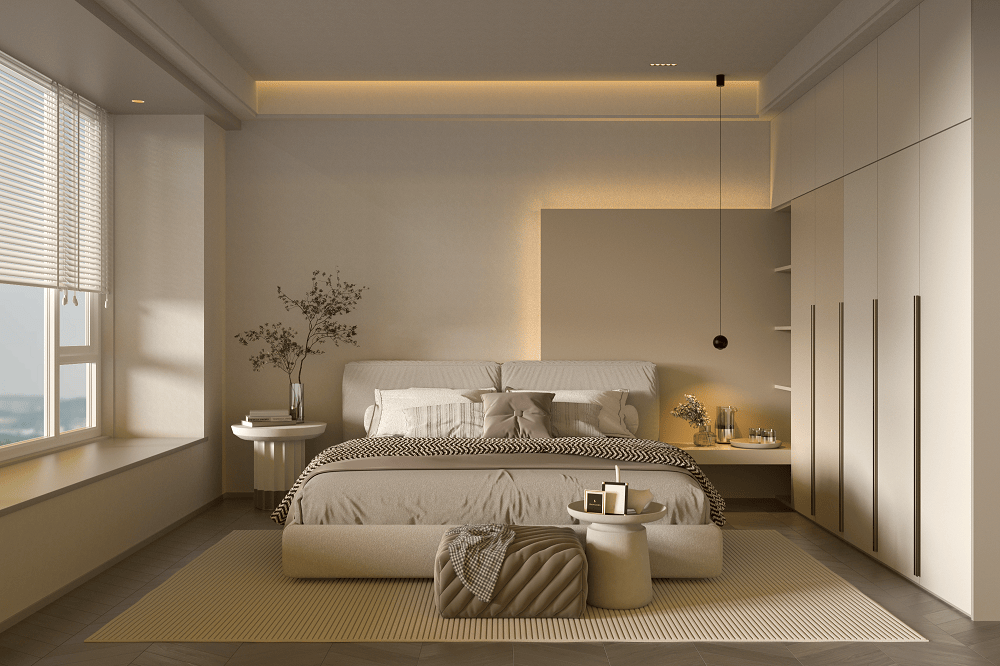
The key to exceptional bedroom lighting is to move beyond a single overhead light. It's about creating a layered lighting scheme that is tailored to the people living in the space and their specific routines. The goal is to combine functionality with atmosphere.
Step 1: Understand the User (The Most Important Step)
Before choosing a single fixture, ask yourself (or the bedroom's occupant) these questions:
• Who sleeps here? (A young couple, a child, a teenager, an elderly person?)
• What activities happen here? (Reading, dressing, working, relaxing, playing?)
• What is the desired mood? (Calming and serene, energizing and functional, warm and romantic?)
This user profile will dictate everything that follows.
User Profile | Key Lighting Needs | Recommended Approach |
Master Bedroom (Couples) | Atmosphere, task lighting for reading, flexible controls, minimal glare. | A mix of warm, dimmable ambient light, focused task lights on each side, and accent lighting. |
Children's Room | Soft, safe, uniform ambient light for play, dedicated light for homework/reading. | Indirect lighting (e.g., wall sconces), ceiling fixtures with diffusers, and a fun, thematic task light. |
Elderly Person's Room | Increased overall brightness, high color temperature (cooler white), reduced shadows and glare for safety. | Brighter overhead lighting, well-lit closet and pathway lights (like motion-sensor under-bed lights) to the bathroom. |
Teenager's Room | Multi-functional: studying, gaming, relaxing, socializing. | Adjustable desk lamp, ambient floor or ceiling light with dimming, and accent lights for decor. |
Step 2: Build Your Lighting in Layers
A well-lit bedroom uses three layers of light working together.
Layer 1: Ambient Lighting (The Base Layer)
This is the general, overall light that replaces natural darkness and allows for safe movement. It should be soft and diffuse.
• How to achieve it:
o Ceiling Fixtures: A central pendant or chandelier (ensure it has a dimmer).
o Recessed Downlights: Placed strategically around the room's perimeter for even wash.
o Track Lighting: Adjustable heads can be aimed to wash walls or light specific areas.
o Tip: Always put ambient lights on a dimmer switch. This is non-negotiable for controlling mood.
Layer 2: Task Lighting (The Functional Layer)
This provides focused light for specific activities, preventing eye strain.
• How to achieve it:
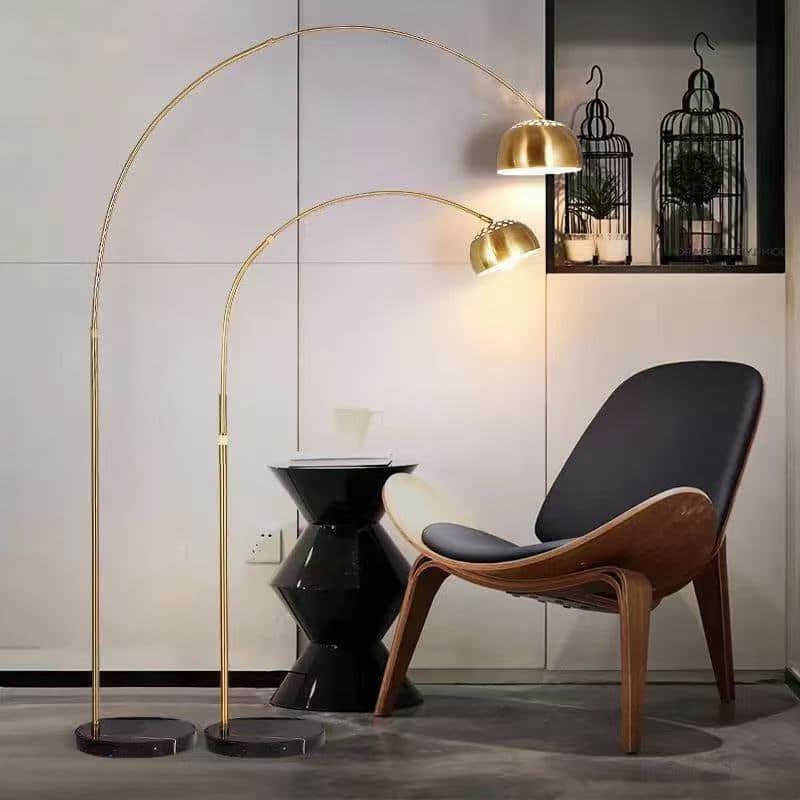
o Bedside Reading: Wall-mounted sconces (saves table space), swing-arm lamps, or table lamps on nightstands. Each side of the bed should have its own light for individual control.
o Dressing/Makeup: Vanity lights on either side of a mirror or a lighted mirror itself. Avoid downlights above a mirror that cast shadows on the face.
o Closet: Integrated LED strip lights or puck lights that turn on when the door is opened.
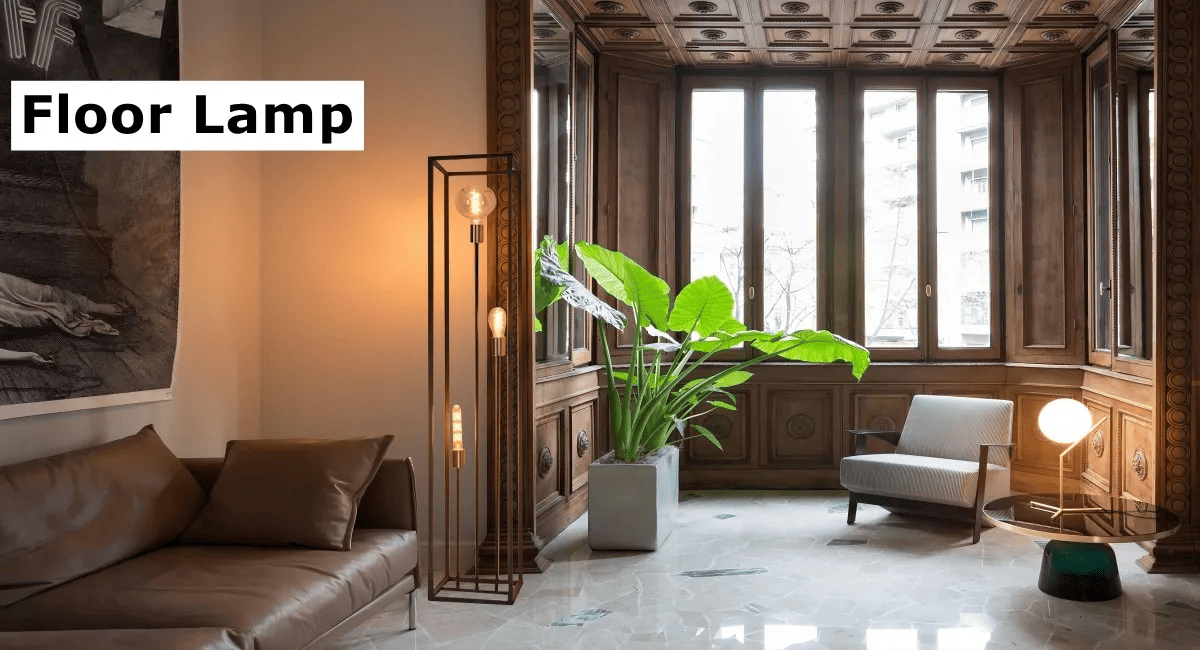
o Reading Nook: A dedicated floor lamp or a adjustable chair-side lamp.
Layer 3: Accent Lighting (The Decorative Layer)
This adds visual interest, depth, and a touch of luxury by highlighting architectural features or decor.
• How to achieve it:
o Artwork: Use a picture light or a small, focused recessed light or track head to graze the surface of a painting or photo.
o Architecture: Install LED strip lighting under a bed frame, along a headboard, or on a tray ceiling to create a beautiful glow.
o Display Shelves: Use small, discreet LED tape lights to illuminate objects on shelves.
Step 3: Implement Practical Solutions for Common Needs
Based on the questions from your original text, here’s how to solve them:
• "Do you read in bed?" → Swing-arm wall sconces or table lamps on both sides of the bed.
• "Do you get up at night?" → Low-level pathway lighting. Use plug-in or hardwired motion-sensor lights under the bed frame or low on the baseboards to light a path to the bathroom without being blinding.
• "Do you put on makeup/dress in the room?" → Vertical vanity lighting at eye level on both sides of the mirror, or a mirror with integrated, color-accurate LEDs.
• "Is there a large wardrobe?" → Closet lighting. Automatic LED strips or puck lights are perfect.
• "Are there art paintings?" → Picture lights or adjustable recessed accent lights.
• "Do you meditate/relax?" → Dimmable ambient lights and indirect accent lights (e.g., a cove ceiling) that provide a soft, shadow-free glow.
Summary: A Quick Checklist for Your Bedroom
1. Ditch the Single Overhead Light: Plan for at least 2-3 light sources.
2. Install Dimmers: For every ambient light source without exception.
3. Choose the Right Color Temperature: Use warm white (2700K-3000K) for a calm, relaxing feel. Avoid cool blues (>3500K) in the bedroom.
4. Control Lights Easily: Use bedside switches for sconces or lamps so you don't have to get out of bed to turn off the main light. Smart bulbs or switches can add further convenience.
5. Think Vertical: Light the walls (with sconces, wall washers) to make the room feel larger and more inviting than just lighting the floor.
By following this human-centric, layered approach, you can transform your bedroom from a simply lit room into a perfectly illuminated sanctuary tailored precisely to your life.