Illuminating Hospitality: The Art and Science of Hotel Lighting
Lighting is one of the most critical, yet often overlooked, elements in hotel design. It goes far beyond mere functionality; it is a powerful tool that shapes guest experiences, defines ambiance, and ultimately, influences perceptions of luxury and comfort. Successful hotel lighting is a delicate balance between art and science, aesthetics and engineering.
More Than Just a Switch: The Role of Lighting
Why does lighting hold such weight in the hospitality industry?
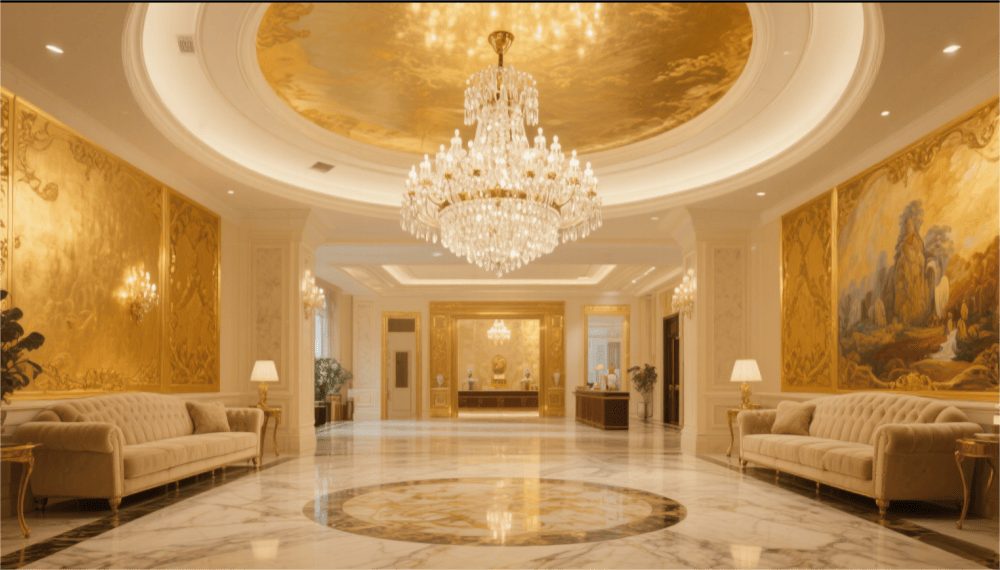
• First Impressions: The lighting in the lobby sets the tone for the entire stay. A well-lit entrance, with a combination of grand architectural statements and warm, inviting accents, immediately makes guests feel welcomed and valued.
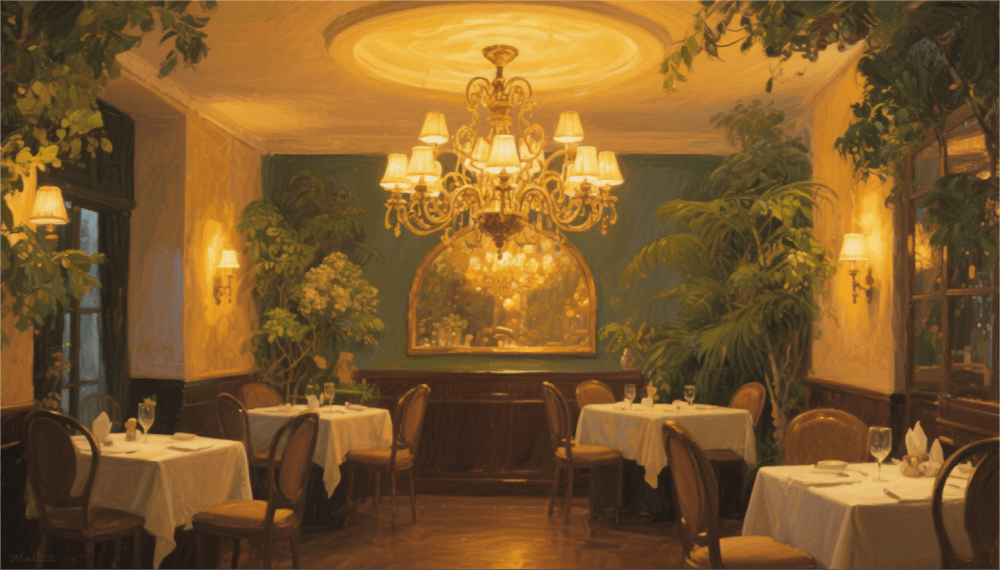
• Creating Ambiance: Different areas require different moods. The energetic buzz of a restaurant bar is achieved with dynamic, lower-level lighting, while a serene spa demands soft, diffused, and calming light to promote relaxation.
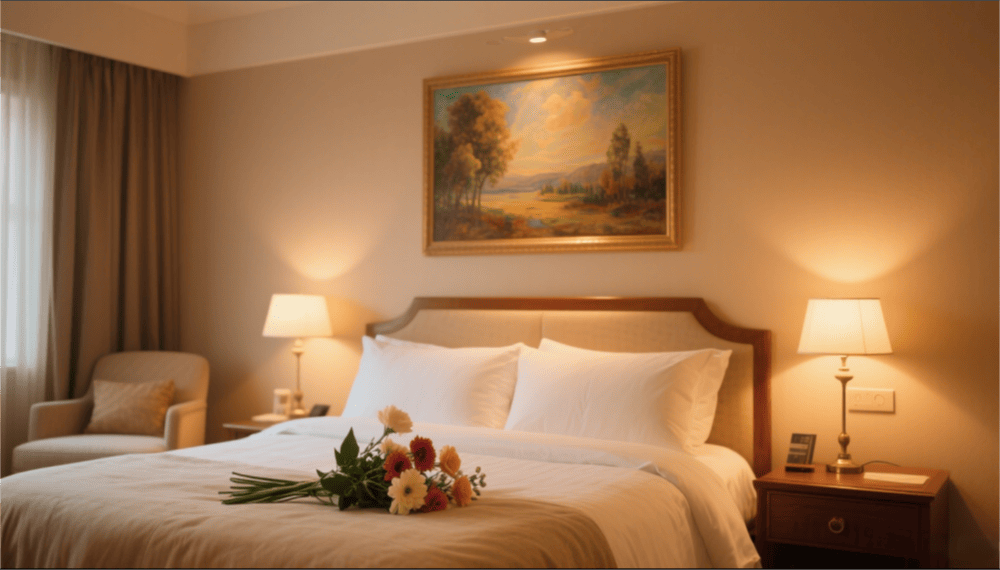
• Functionality and Comfort: Guests need to see clearly. In the bedroom, this means versatile lighting that allows one person to read while another sleeps. In the bathroom, it requires bright, shadow-free light for grooming and applying makeup.
• Highlighting Design: Strategic lighting is used to accentuate the hotel's best features—an architectural detail, a piece of art, a textured wall, or a beautiful piece of furniture. It guides the eye and creates visual interest.
• Brand Identity: The lighting style can reinforce the hotel's brand. A minimalist boutique hotel might use sleek, architectural LEDs, while a classic heritage property might opt for ornate chandeliers and warm, golden tones.
Key Principles of Effective Hotel Lighting
Professional designers achieve these effects by layering three main types of light:
1. Ambient Lighting: This is the base layer—the general illumination of a space. It provides overall light levels and ensures safe movement. Examples include recessed downlights, ceiling-mounted fixtures, and illuminated coves. It should be soft and free of glare.
2. Task Lighting: As the name suggests, this light serves a specific purpose. It is brighter and more focused. Key areas for task lighting include:
Bedside: Reading lights on adjustable wall-mounted sconces or pendants.
Desk: A dedicated desk lamp with ample, clear light for working.
Bathroom: Vanity lights on either side of the mirror (far superior to a single light above it) to eliminate shadows on the face.
3.Accent Lighting: This is the decorative layer that adds drama and depth. It is used to draw attention and create focal points. This includes:
o Picture lights illuminating artwork.
o Uplighting to graze a textured stone wall or highlight a plant.
o In-floor LEDs to wash a curtain or architectural niche.
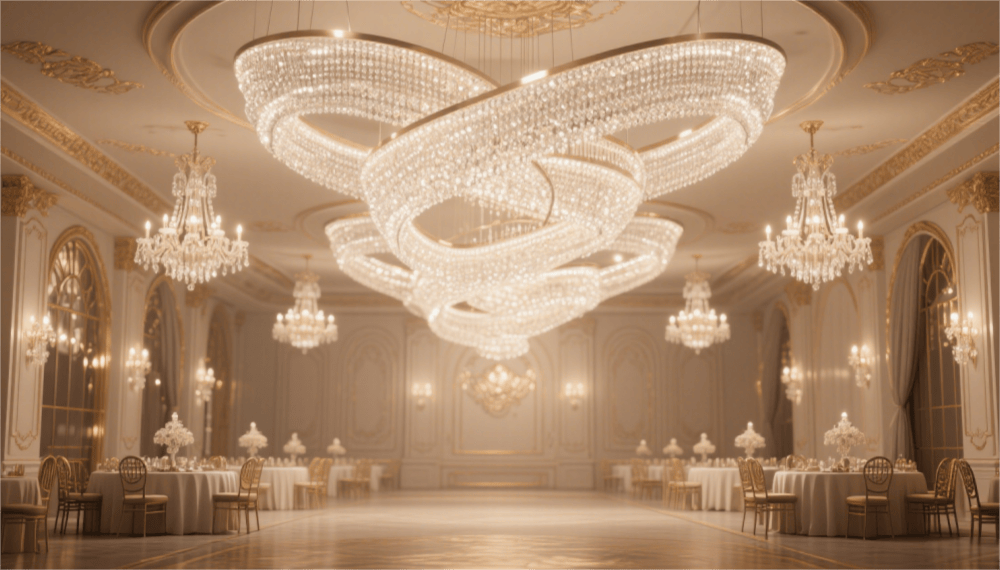
o Statement pieces like a dazzling chandelier or sculptural floor lamp.
The magic happens when these three layers are combined and controlled effectively, often through a dimming system that allows the mood to transition seamlessly from day to night.
Current Trends in Hotel Lighting
The world of hotel lighting is constantly evolving. Current trends include:
• Human-Centric Lighting (HCL): This innovative approach mimics the natural progression of daylight, with cooler, energizing light in the morning and warmer, relaxing light in the evening. It aims to support guests' natural circadian rhythms, improving well-being and sleep quality.
• Smart Integration: Lighting is increasingly integrated into room automation systems. Guests can control all the lights, as well as curtains and temperature, from a tablet or smartphone, personalizing their environment with ease.
• Sustainability: LED technology is now the standard. Hotels are prioritizing energy-efficient fixtures, longer-lasting bulbs, and smart sensors that turn lights off in unoccupied rooms to reduce their environmental footprint and operational costs.
• Local and Artisanal: To enhance authenticity, many hotels are sourcing custom, hand-crafted light fixtures from local artists and designers, turning lighting into a unique conversation piece.
• Biophilic Design: Lighting is used to enhance connections to nature. This can mean using fixtures made from natural materials like wood and stone or employing lighting techniques that make indoor plants thrive and look their best.
Conclusion
Truly exceptional hotel lighting is invisible in its perfection. Guests may not consciously notice it, but they profoundly feel its effect. It is the warm glow that makes a room feel like a sanctuary, the perfect light that makes them look their best, and the subtle guidance that leads them on a journey through the space. It is, without a doubt, a fundamental pillar of modern hospitality design, transforming a simple room into a memorable experience.